Strategy
List Growth That Doesn't Trash Your Deliverability
Every DTC founder wants a bigger list. That's the wrong obsession. A list full of disengaged, low-intent subscribers will quietly destroy your sender reputation and tank the performance of every email you send - including to the people who do want to hear from you. Here's how to grow a list that's actually worth having.
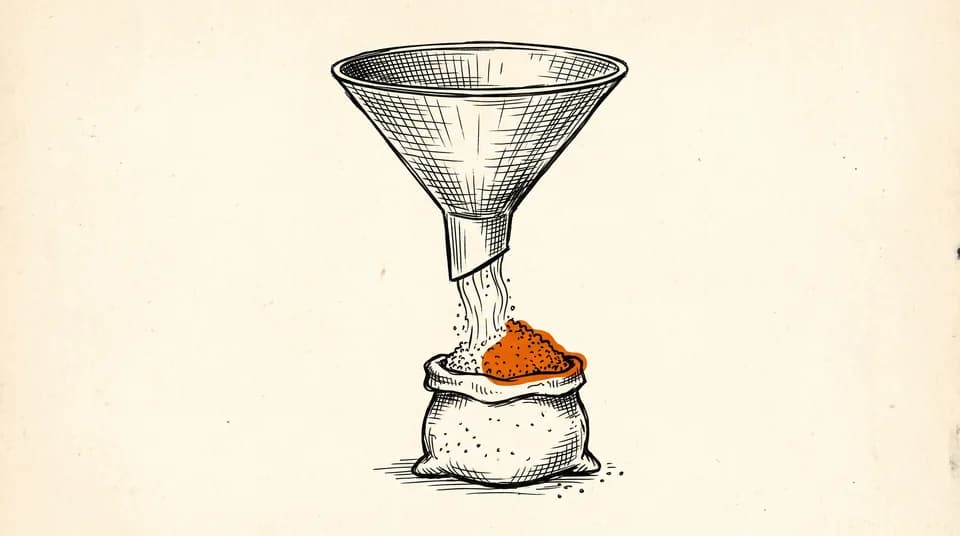
The Number on the Dashboard Is Lying to You
Subscriber count is a vanity metric. A list of 50,000 cold, bored people will underperform a list of 8,000 engaged buyers every single time. The reason is structural: inbox providers like Gmail and Yahoo watch how your recipients behave. Low open rates, low clicks, high spam complaints - those signals tell providers your mail isn't wanted. So they route more of it to spam. The math compounds fast, and it hits everyone on your list, not just the disengaged segment.
Most brands sleepwalk into this problem by treating list growth as a pure acquisition game - more popups, more lead magnets, more sweepstakes entries - without asking whether those tactics are pulling in people who will ever open an email. The fix isn't to stop growing. It's to grow with intent.
Signup Forms: Context Changes Everything
Where and when you show a signup form predicts the quality of the subscriber you'll get. A popup that fires three seconds after someone lands from a cold ad - before they've read a word of your copy - captures mostly discount hunters who will open exactly once and never again. That's not always a bad trade, but you should know exactly what you're buying: one-time openers hunting a discount, not repeat buyers.
Higher-intent placement looks different. A form that appears after someone has scrolled through a product page, read your story, or spent meaningful time on site is catching people who are actually curious about you. An exit-intent form on the cart page is catching people who are actively shopping. The behavioral signal behind the signup matters as much as the signup itself.
A few placement principles worth building around:
- Timed scroll-depth triggers beat time-on-page triggers. Someone who scrolled 70% of a product page is more interested than someone who left the tab open for 30 seconds.
- Embed forms in content that self-selects. A form at the bottom of a detailed ingredients breakdown will pull subscribers who care about that level of detail. That's your person.
- Footer forms are underrated. Low volume, high intent - people who scroll all the way down were looking for something.
- Checkout opt-in (where legally appropriate) captures your best segment - people who already bought. Don't skip this one.
The Offer Determines Who Raises Their Hand
A 10% discount will always pull more signups than "stay in the loop." The question is what kind of subscriber each offer attracts. Discount-first lead magnets attract discount-first shoppers. That's not a reason to never use them - a good welcome series can move those people toward full-price loyalty - but it's a reason to test alternatives.
Non-discount offers that tend to pull engaged subscribers: early access to new products, waitlist priority for limited drops, a genuinely useful guide tied to your product category, or first notice on restocks. These offers signal that your emails will contain something worth reading, not just a coupon. The subscriber self-selects on that premise and tends to behave accordingly.
Double Opt-In: Worth the Friction
Double opt-in (DOI) requires a new subscriber to confirm their email address before they're added to your active list. A lot of brands skip it because it reduces the raw number of signups. That's short-term thinking. DOI filters out typos and fake addresses before they ever touch your deliverability. It confirms the person actually controls the inbox. And it tends to produce a more engaged base - the extra step is a small but real signal of intent.
The friction argument matters most when every lead feels precious. But the trade-off is worth examining honestly: DOI typically reduces raw signup volume, while the confirmed segment tends to engage meaningfully better. If you're dealing with spam traps, bounces, or sinking open rates, DOI is one of the fastest structural fixes available. It's also worth knowing that certain markets and regulations - GDPR-adjacent contexts in particular - lean heavily on confirmed consent anyway. Running both single and double opt-in on different traffic sources and comparing 60-day engagement is a clean way to see the difference for your own list.
Traffic Source Shapes List Quality
Not all acquisition channels produce the same subscriber. Organic search visitors who found your brand while researching a problem tend to engage well - they showed up with intent before they ever saw a form. Social media followers who convert to email subscribers are usually genuinely interested in the brand. Paid traffic is a mixed bag that depends heavily on audience targeting and the ad creative.
Sweepstakes and giveaway collabs are the most common source of low-quality list inflation. The people entering want the prize. Some will overlap with your actual customer profile. Most won't. If you run one, build a segment for those subscribers and track them separately. Their behavior in the first 30 days tells you what you're working with: if engagement is consistently low across that window, suppress the segment before it starts dragging your domain reputation down with it. Give yourself a decision rule before you launch, not after.
Cleaning as You Go Beats Panic-Pruning Later
Most brands ignore list hygiene until deliverability is already broken. At that point the problem is painful to fix - you're sunsetting huge segments, re-warming your sending domain, and rebuilding reputation from a bad starting point. The better approach is to build cleaning into normal operations.
Practical hygiene habits that keep lists healthy without drama:
- Suppress hard bounces immediately. Klaviyo handles this automatically, but audit the logic periodically.
- Set a sunset threshold and stick to it. Define what "lapsed" means for your brand (90 days of no opens, 180 days, whatever fits your send frequency) and run a reactivation flow before suppressing.
- Monitor complaint rates, not just unsubscribes. A spike in spam complaints is a sign of a segmentation or targeting problem, not just a list-size problem.
- Segment new subscribers separately for the first 30 days. Watch their engagement before mixing them into your main broadcast pool.
How Segmentation Changes the Equation
The tactics above determine who gets onto your list. Segmentation determines what happens next - and it's where list quality compounds into list performance. When emails are built around specific audience groups rather than sent to everyone at once, the behavioral signals improve: more opens, more clicks, fewer complaints. That feedback loop protects deliverability and makes every future send more effective.
This is where our team fits in. We identify your customer segments - people who have purchased, people browsing specific product categories, high-frequency buyers - and build the Klaviyo flows around them, with the copy and creative written for each segment rather than shared across all of them.
Kaydence runs this as a done-for-you service: our team builds the segments, keeps the list clean, and sends the campaigns, and you approve the work before it ships. Either way, the underlying principle holds: a well-segmented, well-maintained list will always outperform a bigger, messier one. Build for quality first. The numbers will follow.