Strategy
What to Send Between Promotions: The Emails That Build the List
If your email calendar only has entries around promotions and product drops, you don't have an email program - you have a coupon dispenser. The brands that hold subscriber attention over months and years send something worth reading in between the big moments. That takes a different kind of planning. Most brands skip it.
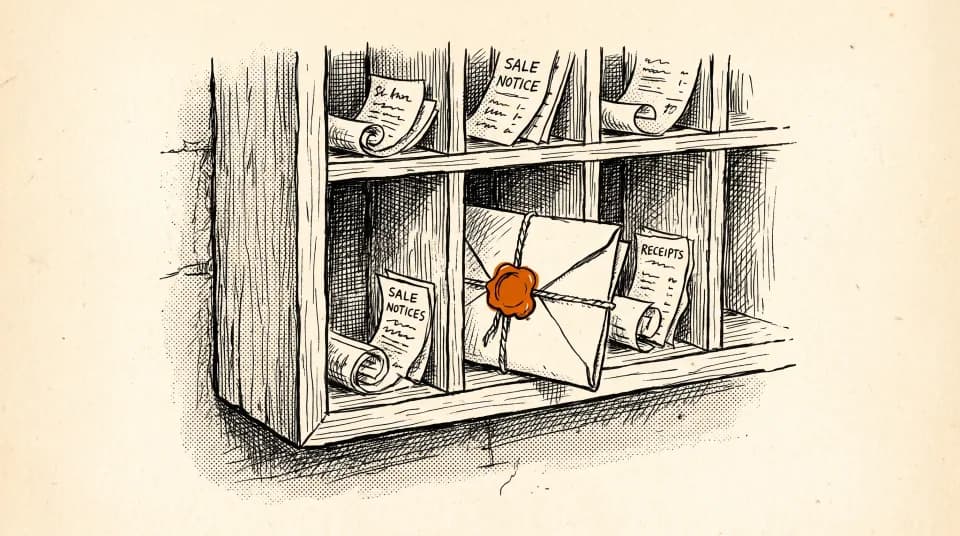
Pull up your last three months of sends. Count how many went out with no discount, no launch, and no sale attached. For most DTC brands, that number is low - sometimes zero. Every email has a reason to exist that also happens to be a dollar figure. That pattern is easy to fall into and expensive to stay in.
The problem is not the promotional emails. You need those. The problem is sending nothing else, because it teaches subscribers one thing: wait until there's a deal. When that becomes the mental model, your list starts behaving like a coupon audience. Engagement can thin out outside sale windows, and what looks healthy during a peak period can mask weaker baseline performance the rest of the year. You wonder why.
The Gap Between Sends Is Where Attention Gets Lost
Inbox providers track engagement signals continuously, not just during your busy periods. A subscriber who opens every sale email but ignores everything in between still looks like a low-engagement contact on average. That drags deliverability over time. And from a pure brand standpoint, if the only reason you ever show up is to ask for money, the relationship stays shallow. Shallow relationships churn.
The fix is not to email more often for its own sake. Frequency without purpose creates its own churn problem. That's a separate conversation. The goal is to have real things to say in the gaps, so sends feel earned rather than scheduled around your promo calendar.
Content That Earns Attention Without a Discount
You need a working list of between-promotion sends you can actually execute. Not ideas that sound good and never get written. These are the categories worth building into your calendar:
- How-to or usage content. If your product has any learning curve, or can be used in ways customers don't think of, that's an email. Not a blog post link with two sentences of intro - a real explanation written for the reader. Think a step-by-step brew guide for a coffee brand, written natively in the email body, not a CTA pointing to a recipe page.
- New arrival education. A new SKU or variant deserves more than one announcement. The second email can go deeper: why you made it, what problem it solves, how it compares to what you already carry.
- Behind-the-scenes sourcing or process. Where does the thing come from? How is it made? What did you test and reject before landing on the current version? This works especially well for brands where the making of the product is part of the value proposition.
- Seasonal or contextual relevance. Not a sale tied to a holiday - just a natural moment where your product fits. A candle brand writing about the shift to shorter days. A skincare brand addressing what happens to skin in low humidity. The calendar is full of real openings.
- Customer education that isn't a pitch. What do your best customers know that new customers don't? Write that down and send it. A kitchen brand might explain the one prep habit that makes their knives last twice as long. A supplement brand might walk through how to actually read an ingredient label. It builds trust without asking for anything.
- Straight editorial. Some brands have a point of view on their category. Express it. A food brand with opinions about ingredients. An outdoor brand with a take on gear culture. What makes editorial land is simple: one clear POV sentence up front, one concrete example that supports it, and a close that doesn't ask for a click. This is the hardest type to write consistently, but it's also the most memorable kind of send when it lands.
The Mistake Is Thinking These Sends Don't Convert
There's a version of this conversation where someone argues that non-promotional sends are a nice-to-have - fine when you have bandwidth but not worth prioritizing over revenue-generating sends. That argument misunderstands how the channel works.
Non-promotional sends do drive revenue - just not in a straight line. They keep the list warm, which makes every promotional send perform better because you're mailing to people who still know who you are. They build the kind of brand familiarity that shortens purchase decisions. And they filter out low-intent subscribers gradually, which means your engaged segment stays cleaner over time. Brands that send only promotional emails risk a slow contraction of that engaged segment - not in one dramatic moment, but steadily, month by month, as subscribers who never get anything worth reading start ignoring everything.
How to Actually Plan These Into the Calendar
Most brands struggle with this not because they lack ideas but because between-promotion content competes with every other operational priority. When you're busy prepping a sale, non-sale emails are the first thing cut. That's why they have to be planned before the busy periods arrive.
A simple approach that works in practice:
Map out your promotional sends for the next eight weeks.
Identify every two-week gap where no promotional email is scheduled.
Assign at least one send to each gap.
In that same session, decide the topic and who is writing it - don't leave either question open.
If you do this once a month rather than week to week, it becomes a planning exercise instead of a fire drill. One useful pressure test: if you removed every dollar-off, sale-ending, and product-launch reference from your planned sends, would anything remain? If the answer is no, your subscribers have been getting a very narrow version of your brand. There's almost always more to say - it just takes a little more intention to say it.
Where Kaydence Comes In
This is one of the things that gets dropped when a brand manages email in-house alongside everything else. The promotional calendar gets maintained because the revenue pressure is obvious. The between-promotion sends get written when there's time, which usually means they don't get written. Our team builds and manages the full calendar - both sides of it - so that the non-promotional sends actually get written, approved by the client, and go out on schedule. If you want to see how your current program handles the gaps, reach out for a free Klaviyo teardown. We look at what's shipping, what's missing, and give you a straight read.