Strategy
The Pre-Launch Email Strategy Every New Product Deserves
New product launches feel like a marketing moment, but most brands waste them by thinking about email on the wrong day. The work that moves the needle happens in the two to three weeks before anything goes live - not in the send you schedule at 10 a.m. on launch day.
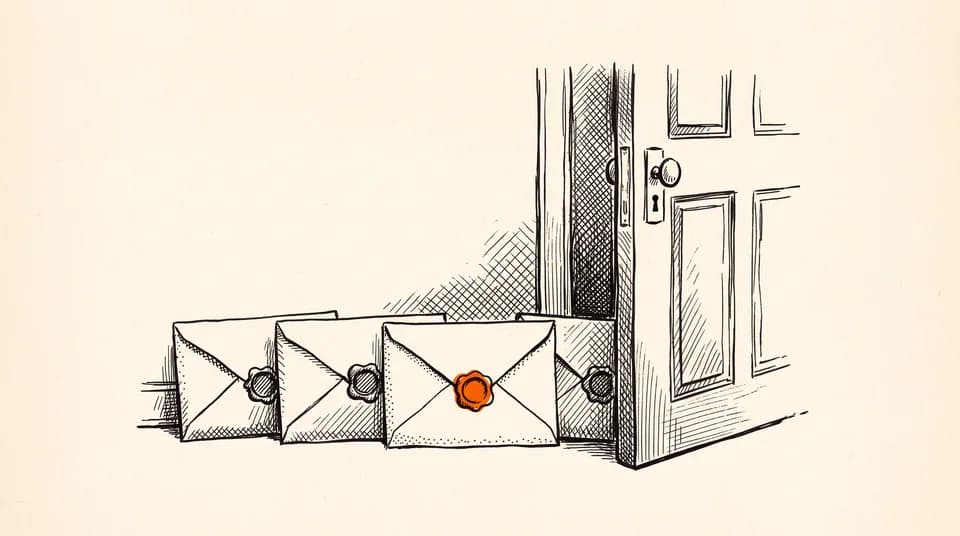
A product launch is not a single email. It's a sequence with a buildup, a moment of release, and a tail. Each phase does a different job. When you collapse all three into one blast, you're leaving real demand on the table - and you're making that launch harder to repeat at scale.
The Real Problem With Single-Send Launches
When a brand sends one email on launch day, they're betting everything on that morning's open rate. If your subject line misses, if Gmail tabs it, if it lands on a Tuesday people are ignoring - the launch underperforms. Then the internal read is that the product didn't resonate. But the product wasn't the problem. The strategy was.
A pre-launch sequence spreads the surface area of your launch across multiple touchpoints. Some subscribers open the first email and buy immediately. Others need to see it twice. A few will ignore the whole pre-launch and buy the day you send the release email because the subject line finally catches them. You need all three of those buyers. One email only finds the first group.
Start With a Segment, Not Your Whole List
Not every subscriber on your list is equally relevant to every product you launch. Before you write a single word of pre-launch copy, figure out who this product is actually for. Past purchase behavior, quiz answers, category engagement - use whatever signals you have in Klaviyo to define a core audience for the launch (e.g., placed an order in a specific category in the last 90 days, or completed a quiz with a particular outcome tag).
That core audience gets the full pre-launch sequence. The rest of your list gets a tighter version - maybe just the launch day email and one follow-up. This keeps your list from getting fatigued on a product that isn't relevant to them, and it protects your sender reputation by keeping engagement rates healthy across the campaign.
How to Structure the Pre-Launch Window
Think in five stages. The first three build demand before the product is available; the last two capture it once the door opens. Each stage is short, specific, and designed to build on the one before it.
The tease (7-10 days out). Introduce the fact that something is coming. You don't need to reveal everything - in fact, a partial reveal tends to generate more curiosity than a full one. The job here is to prime your audience so launch day doesn't feel like it came out of nowhere.
The detail drop (3-4 days out). Now you give people something real. The product name, what it does, why you made it, what makes it different from what they could already buy. This is the email that sells the idea before the purchase is even possible. It should read like a story, not a spec sheet.
The early-access or VIP email (1 day out or morning of, for your best customers). Give your highest-LTV segment a chance to buy before the list-wide send goes out. This rewards loyalty, creates a genuine sense of exclusivity, and often generates a burst of revenue that seeds social proof before the broader launch.
The launch email (day of, to the full segment). Now everyone else hears. You don't need to re-explain the whole product - your pre-launch sequence already did that work. This email can be shorter, more direct, and more confident.
The last-chance or story email (2-3 days post-launch). This catches late openers and people who meant to buy but didn't. Don't beg. Frame it as a closing chapter - the launch is wrapping up, here's what people are saying, here's why it's worth it.
What to Write in Each Email
The tease email should be light on information and heavy on intrigue. A visual hint, a line of copy that raises a question, a promise that something is coming. Don't oversell it. The goal is one thing: make people curious enough to open the next email.
The detail drop is where you actually make the case for the product. This is the email most brands skip, and it's the most important one. You're not just describing a product - you're making a case for why it exists. Who made it, why, what problem it solves, what it replaces. Write it like you're explaining the product to a friend who trusts your taste. Specificity wins here. Vague benefit statements don't.
The launch email should feel like a door opening, not a megaphone blast. Keep it clean. Lead with the product. Make the CTA obvious. Let the earlier emails carry the persuasion weight so this one can just close.
A Few Things That Kill Pre-Launch Sequences
- Starting too late. If you're writing the tease email two days before launch, you've already lost the window. Plan this sequence when you're finalizing the product, not when it's in production.
- Using the same subject line energy across every email. Each email in the sequence needs a different hook. If they all read like "NEW PRODUCT ALERT", you'll train people to tune out the whole thread.
- Teasing something that doesn't deliver. If the detail drop doesn't live up to what the tease implied, you'll burn trust. Make sure the product story is actually worth building toward.
- Forgetting mobile. A lot of pre-launch emails are copy-heavy, and copy-heavy emails get skimmed on mobile. Break up long paragraphs. Use headers. Make it scannable without losing the thread.
- Skipping the post-launch follow-up. The tail of a launch is where a surprising amount of revenue hides. Don't close the loop too fast.
The Compounding Effect
The other reason to run proper pre-launch sequences is that they teach your audience a behavior. When subscribers start to recognize the pattern - tease, story, launch, follow-up - they begin to look forward to it. You're not just selling a product. You're creating a ritual around how your brand drops things. Over time, that ritual becomes part of what people like about buying from you.
That's a retention asset. It makes every future launch easier to execute because the expectation is already set. The harder question is whether your team has the bandwidth to build and manage all five stages properly every time - that's where execution usually breaks down.
Where Kaydence Fits In
Building a multi-touch launch sequence inside Klaviyo takes planning, copy, creative, segmentation logic, and someone managing the timing so nothing sends in the wrong order to the wrong people. That's exactly what our team handles for DTC brands. We write the emails in your voice, design the creative, set up the sends inside your Klaviyo account, and hand everything to you for approval before anything goes live. If your launches have been feeling flat, the sequence is usually the fix - not the product.
If you want to see what your current Klaviyo setup is missing, book a free teardown with our team. We review your flows, segments, and send cadence and return a written breakdown - yours to keep, no obligation.