Deliverability
Sunset Flows Are Only Half the Job: Fix Your List Hygiene Upstream
Sunset flows get a lot of attention, and for good reason. But if your list keeps filling up with disengaged contacts, running a winback sequence every few months is just mopping the floor while the faucet runs. Real list hygiene starts well before someone goes cold.
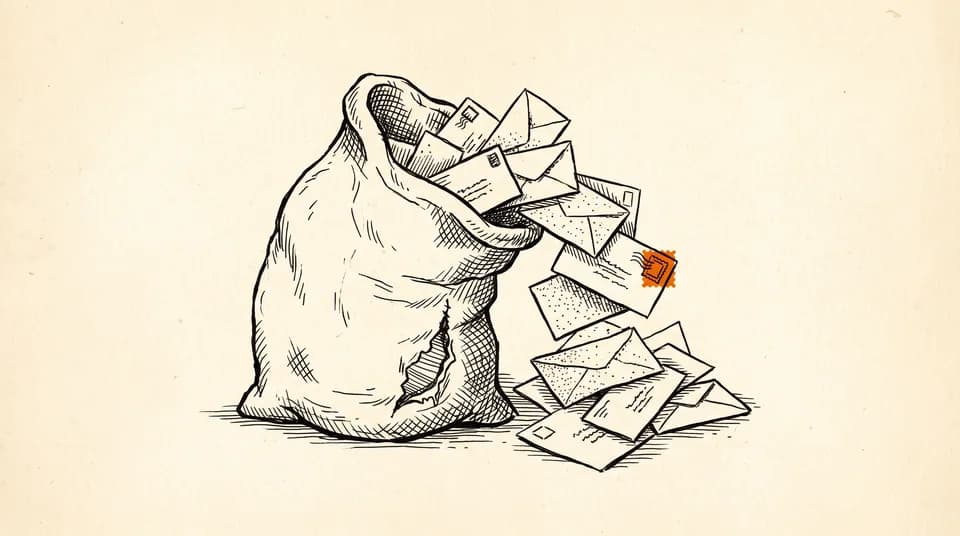
Here's the honest version of how most DTC email lists work. Signups come in through a popup. Some people buy, most don't. A chunk of them open a few emails and then quietly stop. Over six to twelve months, a sizable portion of the list has never clicked anything. Open rates look soft. Deliverability quietly erodes. Then someone sets up a sunset flow, suppresses the ghosts, and feels like the problem is solved - until the cycle repeats.
The Problem Starts at the Signup Form
A high-converting popup is not automatically a healthy list-building tool. A ten-percent-off offer placed on a high-traffic homepage will pull in a lot of addresses from people who wanted the discount, got it, and were never actually interested in the brand. That's not a lead - that's a coupon transaction. Those contacts will drag your engagement metrics from day one.
This doesn't mean kill your discount offer. It means be selective about when and where you show it. Triggering the popup after someone has scrolled through a product page or spent real time on the site filters for intent. A person who read your product description for forty seconds is meaningfully different from someone who landed on the homepage and saw the form before seeing a single product. The form placement is a filter. Use it like one.
Double Opt-In Is Underrated (and Underused)
Double opt-in gets dismissed as a conversion killer. It does reduce raw signup volume - that part is true. What it also does is remove typos, fake addresses, and low-intent signups in one step. The contacts who confirm are telling you, twice, that they want to hear from you. That's a smaller list that actually performs.
If double opt-in feels like too much friction for your brand, a lighter version of the same idea is to put your confirmation email to work. Make it specific and good. Link to a product collection, tease what's coming, do something that a real human would want to click. Someone who clicks that confirmation email is already more engaged than the average popup signup - and you've started measuring them from the first touch.
Your Welcome Series Is a Diagnostic Tool
Most brands treat the welcome series as a one-way introduction. It's also the best early signal you have about whether a new subscriber is actually going to engage. Someone who opens three of your first four emails and clicks at least once is a different contact than someone who has never opened anything. You should be tagging or segmenting that difference by the time the welcome series ends.
A simple split: contacts who engage during the welcome flow go into your active segment and get your full send cadence. Contacts who don't open anything during the welcome series go into a slower, lower-frequency track immediately - not six months from now when they've already dragged down your sender score. Catching cold subscribers early costs you almost nothing. Catching them late costs you deliverability.
Suppression Timing Matters More Than Most People Think
The standard advice is to suppress contacts who haven't engaged in 90 or 180 days. That range is reasonable, but the right number for your brand depends on your send frequency. A store sending two emails a week and a store sending two emails a month are not using the same yardstick. Measure by number of emails received, not just days elapsed. A reasonable starting point: suppress after 30 or more emails received with zero engagement, regardless of time elapsed. A contact who hit that threshold is a clearer signal than one who simply hasn't opened in a calendar quarter.
Before you suppress, run a genuine re-engagement sequence - two or three emails, honest subject lines, maybe a low-friction offer. Not because you expect most of them back, but because it's the right filter. The ones who re-engage are worth keeping. The ones who don't are better off suppressed than continuing to receive mail they ignore. Suppression is not losing subscribers. It's protecting the deliverability that makes your active list work.
The Metrics That Actually Tell You Where Your List Stands
Stop optimizing for list size as a vanity metric. The numbers that tell you something useful about list health are:
- Engaged-segment size vs. total list size - a large gap here means your list has accumulated a lot of unresponsive weight
- Deliverability indicators in Klaviyo - soft and hard bounce rates, spam complaint rate, and whether Gmail or other major providers are folding your mail into promotions or spam
- Click-to-open rate (CTOR) - strips out the noise from Apple Mail Privacy Protection and gives you a cleaner read on whether the people who open actually care about what's inside
- Revenue per recipient on campaigns - directional, not a precise science, but a falling number over time often points to a degrading list or a mismatch between what you're sending and what your audience wants
- Unsubscribe rate by source - if signups from one channel or one form placement unsubscribe at a higher rate, the problem is upstream, not in the email itself
List Hygiene Should Run Without You
List hygiene done well is a set of standing systems, not a cleanup sprint. A good popup placement filter, a confirmation email worth clicking, a welcome series that tags engagement early, suppression logic tied to send volume rather than calendar days - these run in the background. You set them up once, audit them quarterly, and they keep the list in shape without you having to remember to deal with it.
The goal isn't a perfectly small list. The goal is a list where the people on it actually want to be there - and where your emails land in the inbox instead of getting quietly routed to spam. That's where revenue actually lives.
Where Kaydence Fits In
When our team builds your Klaviyo flows - welcome series, post-purchase, browse abandonment, and the rest - the engagement-based segmentation logic goes in from the start. The suppression rules and engagement splits are already there when the flows land in your account. You review them, ask for the changes you want, and they go live on your say-so. Book a free Klaviyo teardown and we will show you where your current segmentation is leaking revenue.